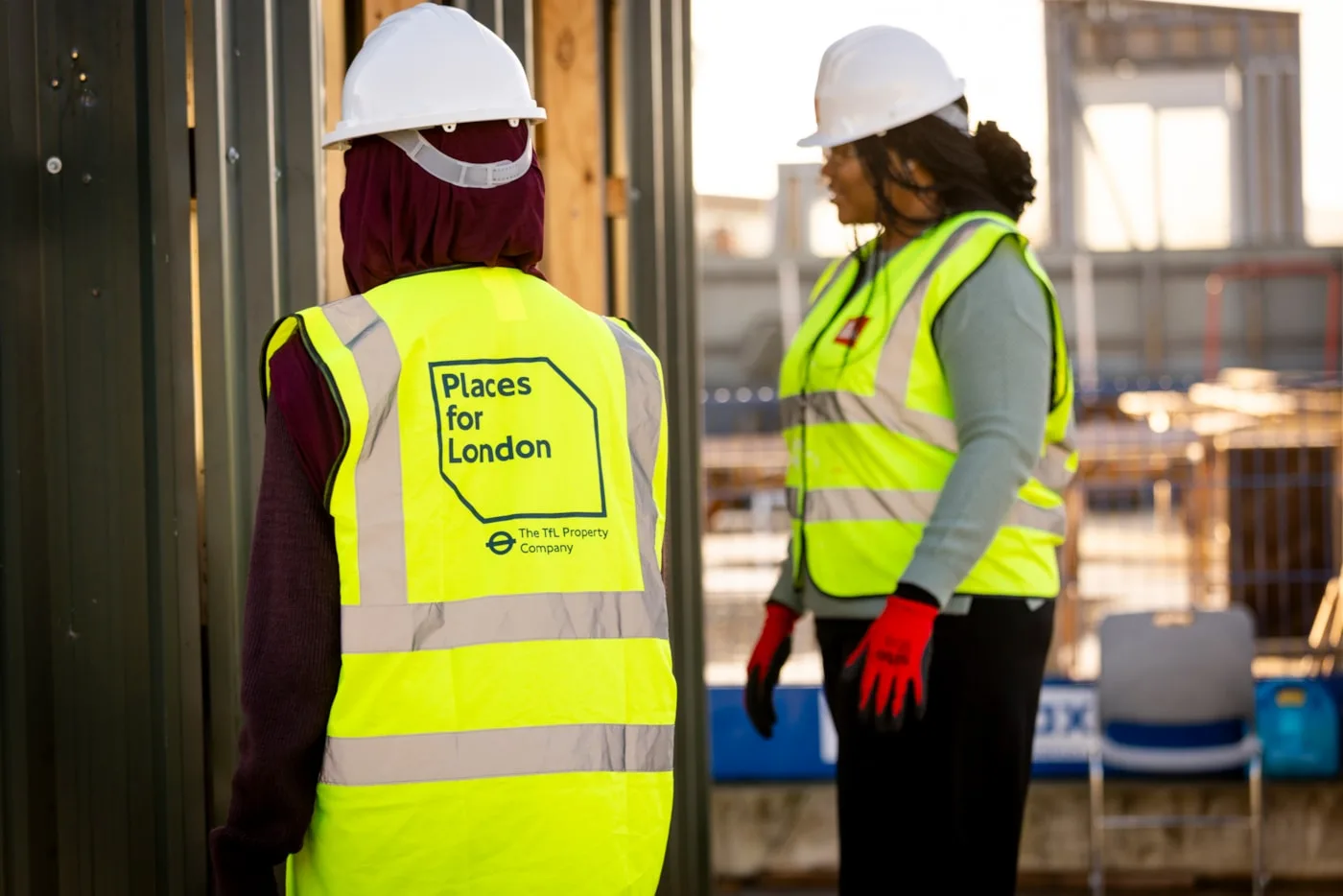

Places for London, TfL's property company, says it added £447m to London in 2025/26 and £1bn since 2023. Its new report names no scheme in Southwark.
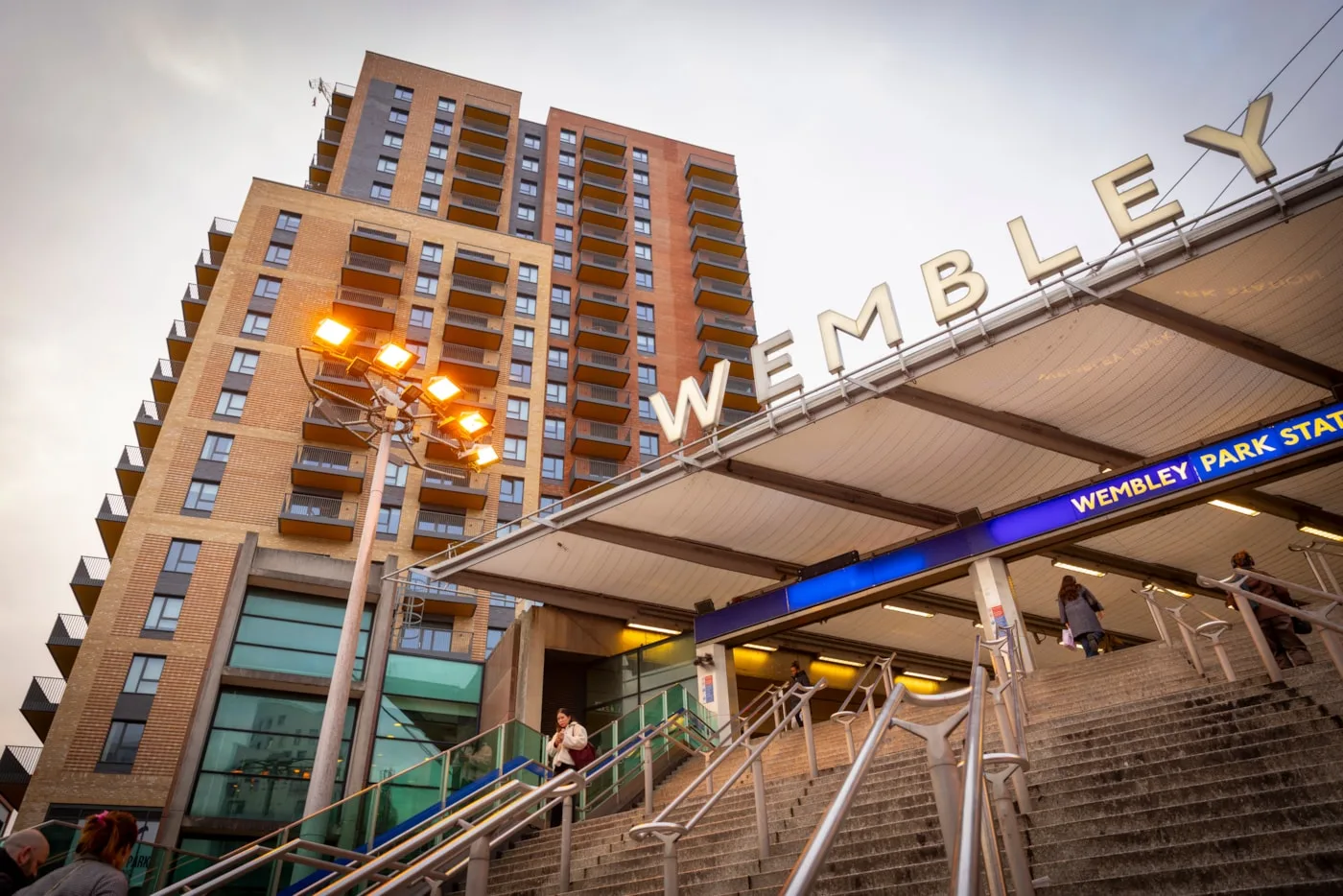
Places for London, the property company of Transport for London (TfL), says it has added more than £1 billion of value to London since it was formed in 2023, £447 million of it in the 2025/26 financial year. Its new “Our Contribution” report names schemes in Wembley, Acton’s Bollo Lane and the City of London, and refurbished shops at Paddington, Old Street and Whitechapel, but nothing in Dulwich, Peckham, Camberwell or anywhere else in Southwark. The release gives London-wide figures only, with no borough breakdown.
The 2025/26 year ran from 1 April 2025 to 31 March 2026. The company says the total comes from its development work and from managing and running the TfL estate, measured across five themes: transport, housing, economic growth, social impact and environmental performance.
What is open to people in Dulwich
Two parts of the report are not tied to a place. Places for London says its construction skills academy has trained more than 12,000 Londoners since 2019, and that people who found work through its training in 2025/26 can expect a projected £66 million uplift in lifetime earnings between them. Over the past year it has also launched Places for Growth, a programme for small businesses looking for their first bricks-and-mortar premises. The release does not say where either runs or how to apply; the Places for London website carries the details.
Its skills work this year included helping care leavers into their first jobs with Fatima’s UK Campaign, the charity of the Olympian Fatima Whitbread.
The London-wide figures
According to the report, Places for London:
- has delivered more than 2,000 homes in its three years, with 58% affordable housing across its portfolio, and has started more than 4,900 on site;
- generated around £389 million of economic contribution in 2025/26 through investment, employment, wages and taxes, and supported around 12,000 jobs across its estate;
- estimates that homes built by it and its partners produce £8 million a year in what it calls societal benefits, including better health from more stable housing, educational opportunities and cost-of-living savings for residents.

The company says its new developments have on average 31% lower embodied carbon than the industry benchmark for residential schemes, and that schemes completing in 2025/26 include more than 2,300 square metres of sustainable drainage. Two of its schemes, Bollo Lane phase two and the office development at 10 King William Street, were pilots for the UK Net Zero Carbon Building Standard launched this year.
What they said
Gordon Rogers, head of sustainability at Places for London, said: “‘Our Contribution’ demonstrates the scale and the value Places for London delivers by creating great places for people to live, work and thrive. The results are clear, we are helping London grow and giving new opportunity to people, business and communities, including those with most need, so the city can continue to be its best, with new homes and destinations that people want to be in.”
He added: “We are committed to building on these results, and our new Sustainable Estate Framework will see us create inclusive, vibrant places whilst delivering transport improvements that support healthier communities.”
Howard Dawber, Deputy Mayor of London for Business, said: “Places for London is making a significant contribution to our ongoing work to grow the capital’s economy, deliver much-needed affordable homes and champion sustainable development. The Mayor and I are determined to continue to support local businesses, tackle the housing crisis, and create lasting economic growth across the city as we build a fairer and more prosperous London for everyone.”
Muniya Barua, chief executive of BusinessLDN, said: “London needs more homes, more investment and more opportunities for people and businesses to thrive. Places for London is helping deliver all three, turning the potential of its estate into tangible economic and social benefits for the capital. Its work shows the important role that long-term, ambitious investment in London’s places can play in supporting growth and creating a more prosperous and sustainable city.”
Tom Hill, director of impact strategy at Savills, which worked with Places for London on the Strategic Impact Framework used to measure the figures, called the report “a genuine innovation in impact appraisal that’s capable of demystifying what ‘Good Growth’ really looks like in practice”.
Small businesses and the new framework
Places for London says 95% of the tenant businesses on its estate are small and medium-sized enterprises.
Alongside the report it has launched a Sustainable Estate Framework, adopted in April 2026, which builds on the Sustainable Development Framework it published in 2021. The company says it gives a KPI-driven way to judge sustainability across the life of each project, under three pillars: diverse communities, healthy places and local economies. It applies first to capital projects worth more than £500,000, mainly retrofit and refurbishment of the existing estate.

The report and both frameworks are on the Places for London sustainability page. The company’s first contribution report, covering 2024, is also online. The announcement is on the TfL newsroom.
Have your say